

The Unsung Patriots: How Nursing Helped Win the Revolutionary War
When we think of the heroes of the American Revolution, images of George Washington, musket fire, and the Continental Army likely come to mind. But behind the scenes, often in smoky tents, crude hospitals, and on the edges of battlefields, another group of patriots was quietly and relentlessly fighting their own war—the nurses. Their weapons were not rifles, but bandages, poultices, and tireless compassion. This July 4th, we honor the integral role these early caregivers played in securing our nation’s independence.
A Different Kind of Battlefield
In the 18th century, disease claimed more lives than bullets. Dysentery, smallpox, typhus, and pneumonia swept through military encampments, turning poorly equipped medical tents into battlefields of their own. General George Washington quickly realized that if his army was to survive, not just the enemy’s firepower but the ravages of illness, organized nursing support was vital.
In a letter to the Continental Congress, Washington requested the formation of a medical support structure, including the hiring of nurses. His plan laid the groundwork for the first organized military nursing corps in American history. The initial ratio of one nurse for every ten patients may seem minimal, but it marked a revolutionary shift in how medical care was perceived within the military.
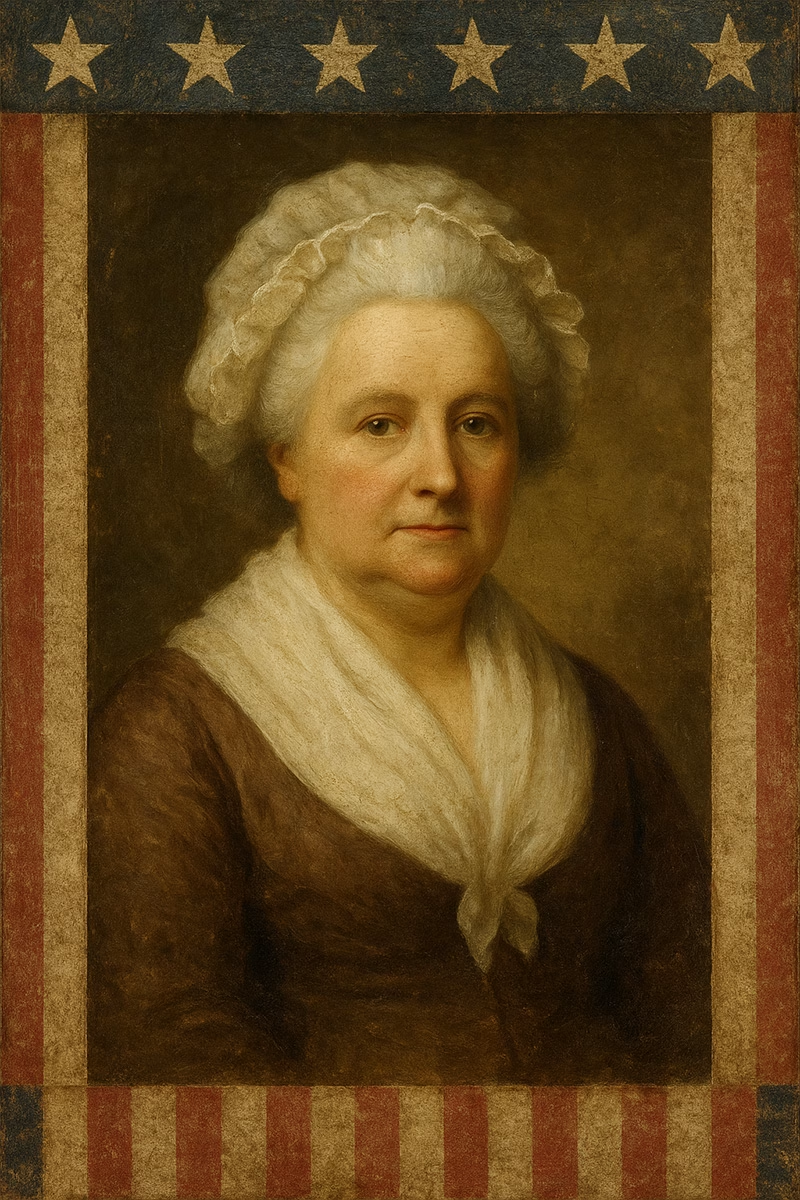
Women Answer the Call
With many men at war, women stepped up to fill critical support roles. While some followed their husbands or sons into camps out of necessity, others volunteered purely out of patriotic duty. Many were widows, struggling to survive, or women who had already lost loved ones to the war. Nursing provided not just a meager income, about $2 per month with room and board, but also a sense of purpose.
Beyond basic care like dressing wounds or bathing patients, these women provided emotional support. They became surrogate mothers, sisters, and confidantes to soldiers far from home. Their presence reminded men of what they were fighting for.
Revolutionary Women Who Made a Difference
Martha Washington is often remembered as America’s first First Lady, but during the war she was a hands-on force of nature in the army’s winter camps. At Valley Forge and Morristown, she organized clothing drives, mended uniforms, cooked meals, and sat at the bedsides of the sick. Her leadership set a tone for other officers’ wives to follow, creating networks of caregiving that bolstered morale across the camps.
Abigail Adams, while largely stationed at home in Massachusetts, took on the nursing role in her community. In her letters to her husband John, she often described caring for neighbors, organizing local women to support the war effort, and managing outbreaks of disease. Her hands-on support served as both moral and medical reinforcement during a time when professional healthcare was rare.
Mary Ludwig Hays, better known as “Molly Pitcher,” is famous for bringing water to troops during the Battle of Monmouth. But many accounts also describe her taking over a cannon after her husband collapsed and, later, assisting with wound care. Her story highlights how the lines between combatant and caregiver often blurred for women during the Revolution.

The Medical Front Lines
Colonial hospitals during the Revolution were makeshift and often horrifying. Supplies were limited, surgical tools were primitive, and sanitation was nearly nonexistent. Still, women worked long hours in dimly lit conditions, improvising treatments with herbal remedies and rags. Their work was critical during the smallpox epidemic that swept through the Continental Army in the early years of the war. Inoculation, still a controversial practice at the time, was risky but ultimately saved thousands of lives. Nurses were essential in managing the care and recovery of those who underwent the procedure.
Without antibiotics or modern medical knowledge, these early nurses relied on compassion and ingenuity. It was not glamorous work, but it was essential. Many fell ill themselves, and some died from the very diseases they fought to treat.
Impact on the War Effort
The presence of dedicated nurses had a measurable effect on the Revolutionary War’s outcome. By lowering the rate of death from disease and allowing soldiers to return to duty more quickly, they helped preserve the fighting strength of the Continental Army. But their impact went beyond physical health. They sustained morale, nurtured hope, and offered dignity in a time of widespread suffering.
Washington himself understood the psychological value of their presence. In one of his orders, he instructed military leaders to treat nurses with respect and ensure they were compensated, a rare acknowledgment in a time when women’s contributions were often minimized.
A Legacy Worth Remembering
The story of Revolutionary War nurses is not one of glory and fame, but of resilience, sacrifice, and quiet strength. Their contributions laid the foundation for the formalization of nursing as a profession in America. Over time, their example would inspire the establishment of the Army Nurse Corps and, later, civilian nursing programs that trained thousands of caregivers who continue to serve on the front lines of public health.
This Independence Day, as fireworks light the sky and we honor the founders of our country, let us also remember those whose service came not with muskets, but with medicine. The nurses of the Revolutionary War remind us that freedom was not won by warriors alone. It was also tended to, one patient at a time, by caregivers who refused to give up.